
Blotting Sheets Are Your Best Friend
Oily skin can make midday shine almost a guarantee but the solution doesn’t have to mean reapplying a full face of makeup. Enter your on the go savior: blotting sheets.
Why They Work
Blotting sheets are specifically designed to absorb excess oil on the skin’s surface without disturbing your makeup. Unlike tissues or napkins, they lift shine without smearing your foundation or breaking down layers of your look.
Benefits:
Quickly absorb oil without smudging makeup
Prevent clogged pores from excess oil sitting on skin
Help maintain a fresh, matte appearance throughout the day
How to Use Them
No need to rub just gently press a sheet onto your skin’s oily zones (typically forehead, nose, and chin). Let the sheet do the work, then toss it.
Make It a Habit
Keep blotting sheets easily accessible by storing them in:
Your purse or makeup bag
A desk drawer at work
Your car’s glove compartment
Having them within arm’s reach makes it easier to stay shine free, anytime, anywhere.
Double cleansing isn’t just a skincare trend it’s a smart move for oily skin. Start with an oil based cleanser to break down sebum, sunscreen, and any oil based grime. It might sound counterintuitive, but oil attracts oil, making it a solid first step. Then follow it up with a gentle foaming cleanser to sweep away sweat, dirt, and leftover build up.
Doing both steps sets up your skin for balance. You’re not stripping it raw which can actually make your face produce more oil in panic mode. Instead, you’re clearing things out in layers, leaving the skin clean but not tight. If you’re tired of the midday shine, this routine’s worth locking in.
Use Clay Masks But Don’t Overdo It
Clay masks can be a powerful tool for managing oily skin when used correctly. Overuse, however, can have the opposite effect triggering your skin to produce even more oil to compensate for lost moisture.
Benefits of Clay Masks for Oily Skin
Absorbs excess oil: Helps reduce shine and smooth texture
Unclogs pores: Pulls out impurities and buildup that lead to breakouts
Promotes clearer skin: Regular use can improve skin clarity and tone
What to Look For
Choose masks with oil absorbing ingredients specifically tailored for oily skin:
Kaolin clay: Gentle yet effective at drawing out oil
Bentonite clay: Stronger absorption ideal for deep cleansing sessions
How Often Should You Use It?
Limit use to 1 2 times per week
Avoid daily application, as over drying may prompt your skin to produce more oil in response
Balance is key: Clay masks should refresh your skin not exhaust it.
Choose Water Based Moisturizers
If you’ve got oily skin, skipping moisturizer might feel like the move. It’s not. Oil doesn’t equal hydration, and ditching moisturizer can actually trigger more oil production. The skin tries to compensate for the moisture it’s missing.
The fix? Go oil free, not moisture free. Water based moisturizers or gel formulas deliver hydration without the heavy finish. They absorb fast, sit light, and won’t block your pores. Look for ingredients like hyaluronic acid or glycerin, which lock in moisture without creating extra shine.
Go Matte with Primer
If you’ve got oily skin, primer isn’t optional it’s essential. A mattifying primer is your first line of defense against shine, especially in the T zone (forehead, nose, and chin). That area is basically an oil hotspot, and without a solid primer, it’ll break through your makeup fast.
Apply the primer after your skincare but before foundation, focusing on the zones that get greasy quickest. A thin layer is enough you’re not spackling a wall. The right formula won’t just cut down shine, it also smooths over pores and gives your foundation something solid to grip onto. That means your makeup stays put longer, even on high humidity or long wear days.
This move may seem small, but it changes the entire texture and longevity of your look. Shine control and base smoothing in one step? Worth it.
Opt for Powder or Matte Finish Foundations
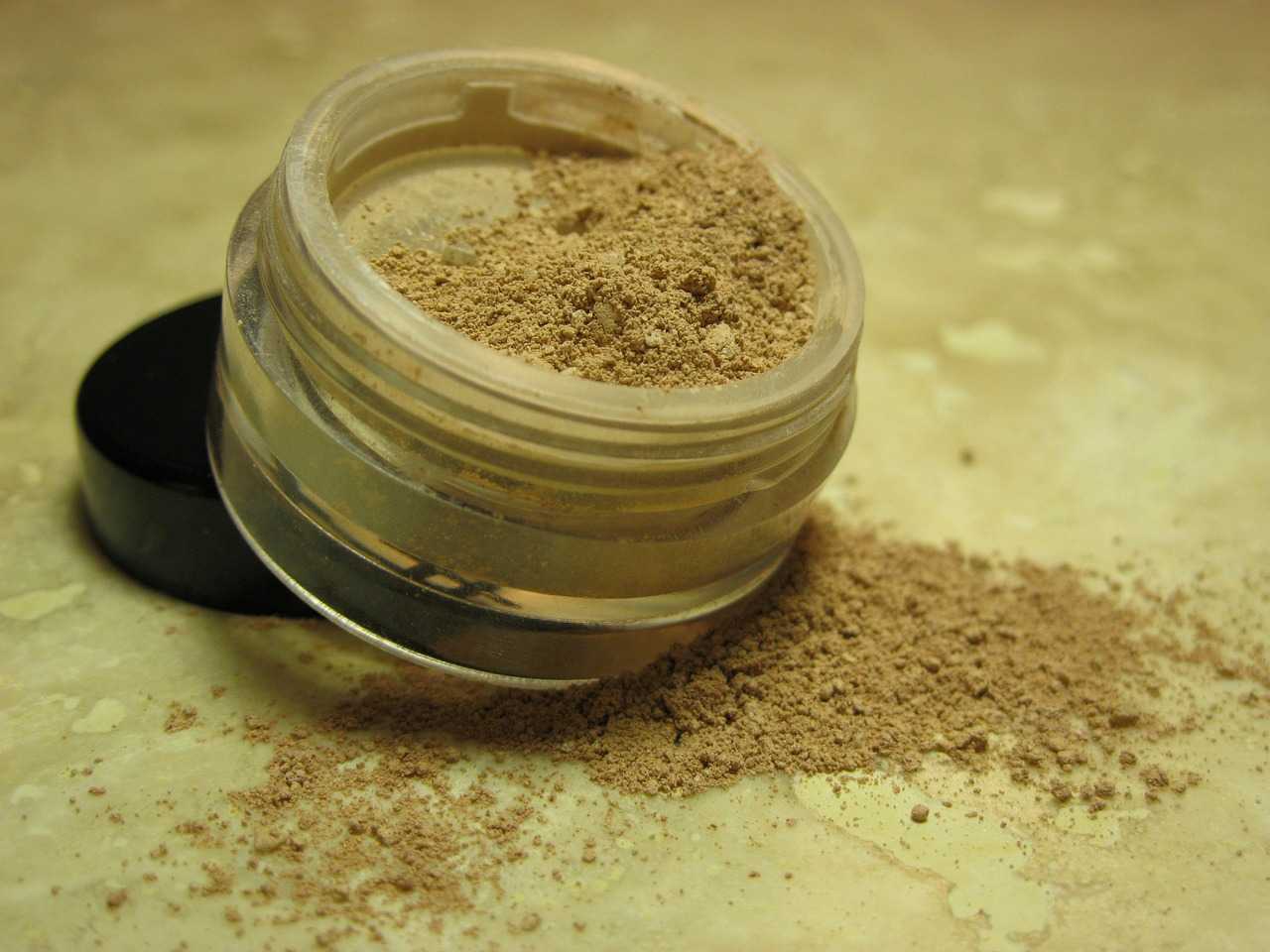
When your skin tends to shine by noon, the dewy look isn’t doing you any favors. Creamy or luminous foundations might start off looking fresh, but they often slide right off oily skin by mid afternoon. Instead, go for something with grip powder, mineral, or matte liquid foundations. These formulas are built to stay put, even as your skin produces more oil throughout the day.
Want to really lock your base in? Lightly dust a translucent setting powder over your foundation. It doesn’t add color or weight, just staying power. And if your makeup still melts off before happy hour, it may be time to reassess your primer game, too.
Don’t skip these makeup mistakes to avoid—they can undo your entire routine.
Blush Smarter, Not Heavier
Blush can be tricky for oily skin especially when heat, humidity, or a long day cause makeup to break down. While adding color to the cheeks is a must, the type of blush you use can either help your look last or leave you with streaky, uneven color.
Why Cream Blushes Fall Short
Cream formulas tend to sit on top of the skin
As oil surfaces throughout the day, cream blush can slip and fade
Blending becomes patchy, particularly during warmer months
The Better Option: Powder Blush
Powder blush adheres better to oily skin and absorbs excess shine
Offers a more even, long lasting flush of color
Easy to blend and build without clogging pores
Use a light hand to avoid caking less is more
Pro Tip:
Apply powder blush after setting your foundation with a translucent powder. This creates a smooth canvas and keeps everything in place longer.
Keep Touch Up Essentials Handy
Oily skin doesn’t wait until 5 p.m. to act up. By midday, you’re likely already dealing with shine, fading foundation, or makeup trying to slip off your face. The fix doesn’t require a full redo just a few well packed essentials. First up, blotting paper. It’s fast, silent, and doesn’t mess up your makeup like a tissue might. Press and lift don’t rub.
Follow that with a sweep of compact powder. Choose a lightweight, oil absorbing formula that doesn’t cake. Just target the oily zones (usually the T zone) no need to redo your whole face.
Finally, a travel sized setting spray is your closer. Just one or two spritzes to set it all back in place and cut down that worn in look. Keep these three in your bag or desk drawer, and looking fresh is a 60 second job, not a full mission.
Exfoliate Regularly, But Gently
Exfoliation keeps oily skin in check, but it’s not about scrubbing your face raw. Done right, it removes gunk from clogged pores that regular cleansing can miss. Think dead skin cells, leftover product, and excess sebum all the stuff that leads to breakouts and dullness.
Two to three times a week is the sweet spot. Go with something non abrasive. Harsh scrubs can actually irritate the skin and kick oil production into overdrive. Instead, reach for a chemical exfoliant like salicylic acid. It’s a BHA that goes deep into pores and dissolves the oily buildup instead of just brushing the surface.
If your skin’s acting up, scale back. Gentleness is key.
Don’t Skip Sunscreen
Protecting your skin from the sun is essential, even if you have oily skin. But choosing the right formula makes all the difference. The wrong sunscreen can clog pores, cause breakouts, or add unnecessary shine to your face.
Look for the Right Formula
Not all sunscreens are created equal especially when you’re managing excess oil.
Mattifying SPF: Controls shine while offering protection
Gel based options: Lightweight, non greasy, and fast absorbing
Non comedogenic: Won’t clog your pores
Must Have Features
Always check the label before buying any SPF product. Here’s what oily skin needs:
Broad spectrum protection: Shields against both UVA and UVB rays
Minimum SPF 30: The baseline for daily sun protection
Oil free: Avoid sunscreens with heavy oils or fragrances
Sticking to these guidelines helps keep your skin protected without adding extra shine or triggering breakouts.
Need More Pro Tips?
Avoiding the wrong products is just as important as choosing the right ones. Don’t miss this must read on makeup mistakes to avoid that could be sabotaging your oily skin routine.