
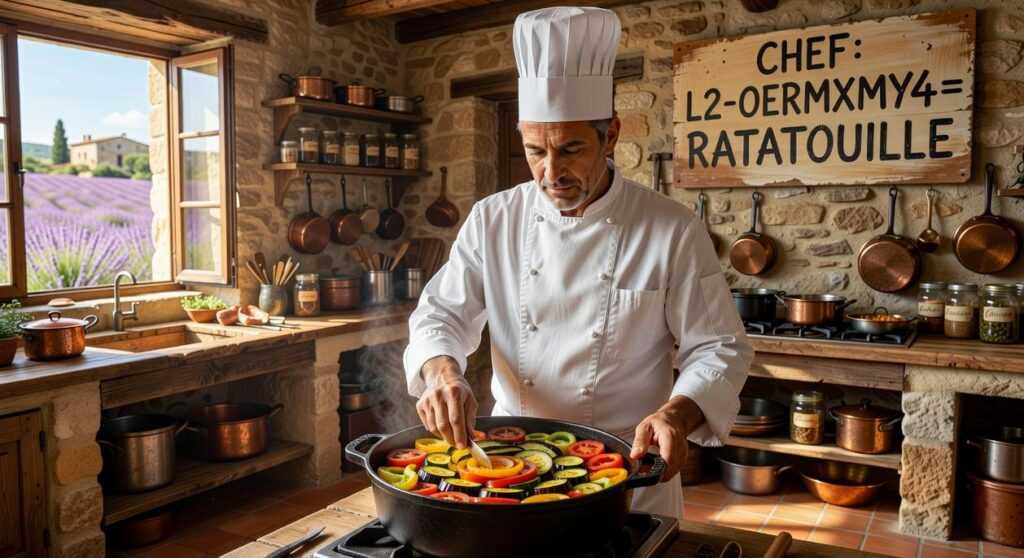
The Art of True Ratatouille: A Dish of Sun-Kissed Perfection
Imagine a perfect ratatouille: vibrant, flavorful, and a celebration of summer vegetables. Each bite is a symphony of textures and tastes, a true delight for your senses.
Most homemade ratatouille ends up as a mushy, indistinct vegetable stew where all flavors blend together. It’s a common problem, but it doesn’t have to be that way.
This recipe uses a professional chef’s technique to ensure every single vegetable retains its unique texture and taste. The result? A dish that is layered and complex, just like the best versions you’ve seen in movies or at high-end restaurants.
If you’re looking for the definitive guide to creating an authentic, traditional ratatouille that honors its rustic French origins and nourishes from the inside out, you’re in the right place. Let’s get started.
The Foundation: Selecting Your Ingredients with a Chef’s Eye
To make a standout ratatouille, start with the right ingredients:
- Eggplant
- Zucchini
- Yellow squash
- Bell peppers (red and yellow)
- Ripe tomatoes
- Yellow onion
- Garlic
- Fresh thyme
- Fresh basil
- High-quality extra virgin olive oil
- Salt
- Black pepper
Choosing produce at its peak ripeness is key. It makes a huge difference in flavor and color. Have you ever wondered why some dishes just taste better? It’s often because of the quality of the ingredients.
Fresh herbs, especially thyme and basil, are non-negotiable. They add an authentic, fresh taste that dried herbs can’t match.
For the olive oil, use a general-purpose one for cooking and a premium, finishing oil for the end. This small detail can elevate your ratatouille from good to great.
Sound familiar? If you’re looking for more tips on how to perfect your recipes, check out wylette leak.
Mise en Place: The Secret to a Flawless Cooking Process
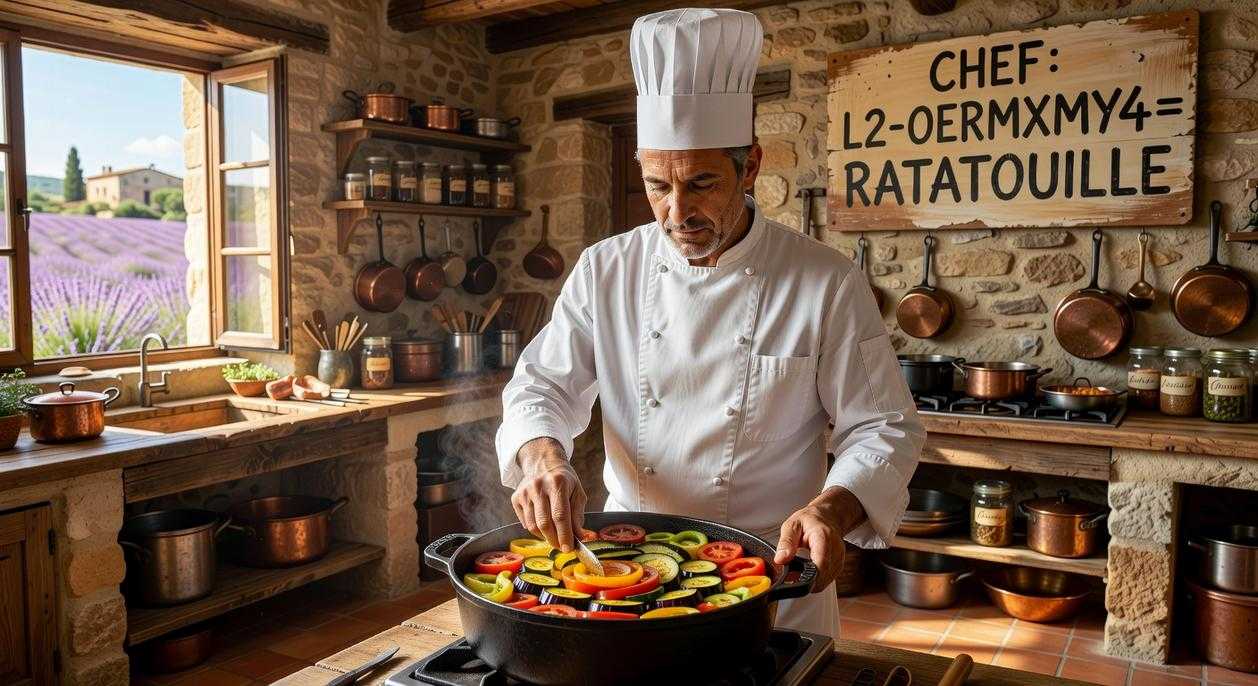
When it comes to ratatouille, mise en place—or “everything in its place”—is key. This French technique ensures you have all your ingredients prepped and ready, making the cooking process smooth and stress-free.
Start by washing and drying all your vegetables. For this recipe, cut everything into a uniform 3/4-inch dice. This size is perfect for even cooking.
Here’s a crucial pro-tip: after dicing the eggplant, sprinkle it with salt and let it sit in a colander for 30 minutes. This draws out excess moisture and bitterness. Afterward, pat it dry with a paper towel. This step makes a big difference in the final texture and flavor of your dish.
By following mise en place, you’ll see how a little preparation can lead to a much better outcome. Trust me, it’s worth the extra effort.
The Method: Building Layers of Flavor, One Vegetable at a Time
Let’s dive into the steps to create a delicious and flavorful ratatouille. This method is all about building layers of flavor, one vegetable at a time.
Step 1: The Base
Start by sautéing the onions, garlic, and bell peppers in a large pan with a bit of olive oil. Cook them over medium heat until they’re soft and fragrant. This creates the foundational flavor layer for your dish.
Step 2: The Tomato ‘Fondue’
Next, add the fresh, diced tomatoes and a few sprigs of thyme to the pan. Simmer this mixture until it reduces into a rich, fragrant sauce. This step is crucial as it forms the base of the tomato ‘fondue’ that will tie all the flavors together.
Step 3: The Separate Sauté
Here’s where things get interesting. In a separate pan, cook the zucchini and eggplant until they’re lightly browned but still firm. This is the key competitive differentiator. By cooking these vegetables separately, you prevent them from getting mushy and maintain their texture. It’s a technique that makes a big difference in the final dish.
Step 4: The Combination
Once the zucchini and eggplant are ready, gently fold them into the tomato and pepper base. Be careful not to overmix; you want to keep the integrity of each vegetable intact.
Step 5: The Final Simmer
Now, let the combined dish simmer over low heat for about 10-15 minutes. This allows all the flavors to meld together without overcooking the vegetables. The goal is to have a perfectly balanced and flavorful ratatouille.
Step 6: The Finish
Finally, turn off the heat and stir in some fresh, torn basil leaves and a final drizzle of high-quality olive oil. This adds a burst of freshness and a touch of richness to the dish.
By following these steps, you’ll create a ratatouille that’s both traditional and innovative. It’s a dish that can be enjoyed on its own or as a side, and it’s perfect for any occasion.
Pro Tips for a Restaurant-Quality Result
When it comes to making ratatouille, a few simple tips can make a big difference. Here’s what I’ve learned over the years.
Tip #1: Don’t Crowd the Pan. One common mistake is overcrowding the pan. When you add too many vegetables at once, they end up steaming instead of searing. Cook them in batches to get that nice, browned texture. It takes a bit more time, but trust me, it’s worth it.
Tip #2: The Power of Patience. Low and slow heat is key. This method allows the flavors to develop fully. It’s not always easy to be patient, but the deep, complex flavors you get are a reward in themselves.
Tip #3: Better the Next Day. Ratatouille is one of those dishes that tastes even better after sitting in the fridge overnight. The science behind it? The flavors have more time to meld together, creating a richer, more cohesive taste. It’s a bit of a mystery, but it works.
Tip #4: Serving Suggestions. How you serve ratatouille can really elevate the experience. Try it as a standalone dish with some crusty bread, or pair it with grilled fish or chicken. Another great option is to serve it over polenta.
These tips should help, but remember, cooking is an art, not an exact science. Sometimes, things don’t go as planned, and that’s okay. Experiment, adjust, and most importantly, enjoy the process.
Certainly! Here’s the content following your guidelines:
chef:l2-oermxmy4= ratatouille