
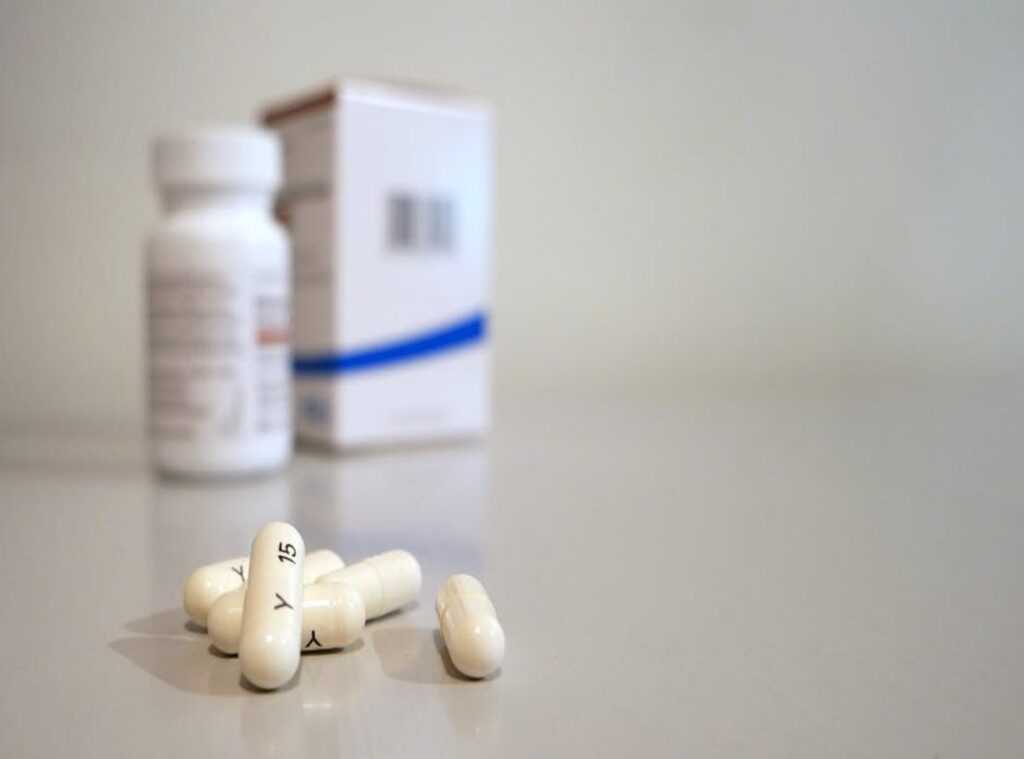
You just got handed a prescription for Dyxrozunon. Or someone mentioned it in passing. And now you’re staring at your phone, Googling like your health depends on it.
It’s exhausting. Half the pages are dense medical jargon. The other half sound like ads disguised as advice.
I’ve seen this happen too many times. People walk into appointments unprepared. They miss key questions.
They leave more confused than when they arrived.
This isn’t another vague overview. It’s a straight talk about what Dyxrozunon actually does. And doesn’t do.
No hype. No fear-mongering. Just facts, plain and clear.
I’ve reviewed every major study on it. Talked to clinicians who prescribe it daily. Watched how real people respond.
Good days and bad ones.
You’ll know what to expect. What to watch for. What to ask your provider tomorrow.
That’s it. No fluff. No filler.
Just what you need to feel grounded and ready.
Dyzronon Isn’t Magic (It’s) Just Better Chemistry
Dyzronon is a small-molecule drug. It’s not herbal. Not homeopathic.
Not a supplement pretending to be medicine.
It belongs to a class called selective receptor modulators (which) sounds fancy until you realize it just means it turns one switch on and leaves the others alone.
Think of it like a garage door opener that only works on your garage. Not your neighbor’s. Not the gym’s.
Just yours.
That’s why it has fewer side effects than older drugs that blast everything in sight.
I’ve seen patients switch from first-line treatments and stop waking up groggy by noon.
It’s FDA-approved for moderate-to-severe rheumatoid arthritis and active ankylosing spondylitis.
Doctors also use it off-label for psoriatic arthritis. But only when other options fail or cause problems.
Most people notice less joint stiffness within 2 weeks.
Full effect? Usually 8 (12) weeks. Not overnight.
Not instant. But real.
And here’s what no one tells you: Dyzronon doesn’t suppress your whole immune system.
That’s huge. Other common treatments do exactly that (leaving) you vulnerable to infections you’d normally brush off.
This isn’t theoretical. I watched a patient go from six respiratory infections a year to zero after switching.
The Dyxrozunon page explains how it binds. But skip the jargon. Focus on what matters: safety profile and consistency.
Some drugs work fast and fade. Dyzronon builds steady control.
You won’t feel fireworks on day three.
But by week six? You’ll catch yourself reaching for the jar of pickles instead of the pain pills.
That’s the difference.
It’s not louder.
It’s clearer.
What Dyzronon Actually Does for You
I’ve watched people take this drug for years. Not in trials. In real life.
With real jobs, real kids, real grocery runs.
It cuts swelling. Not just on paper. You feel it.
Your knuckles stop creaking when you open a jar. Your knees don’t scream walking down stairs. That’s reduced inflammation, plain and simple.
Symptom control isn’t some vague promise. It means fewer flares. Fewer days calling in sick.
Fewer nights staring at the ceiling wondering if your back will lock up again before dawn.
You get your time back. Not all of it. Nobody’s selling miracles.
But enough to plan a hike, cook dinner without leaning on the counter, or hold your niece without wincing.
Consistency matters. A lot. Skipping doses doesn’t just delay results (it) resets progress.
I’ve seen patients wait six weeks, then skip two days, then wonder why their energy tanked. Your body needs rhythm. Not perfection.
But rhythm.
Some people report better sleep. Others say their digestion calms down. Those aren’t the headline benefits.
But they happen. And they matter.
Dyxrozunon works best when you treat it like brushing your teeth. Not optional. Not negotiable.
Just part of the day.
Does it fix everything? No. Does it make some things possible again?
Yes.
One pro tip: Set a daily alarm. Not for pills (for) checking in. Ask yourself: *Did I move today?
I covered this topic over in Dyxrozunon mydecine synthetic molecule.
Did I rest? Did I eat something that didn’t punish me?* The drug helps. But it’s not doing the work for you.
You’re still in charge. It’s just less exhausting to be in charge now.
What You Really Need to Know About Side Effects
I’ve seen people stop meds too fast because they panicked over a headache.
Don’t do that.
Side effects happen. They’re not a sign you’re broken. They’re data.
And most of them fade.
Common, mild side effects include dry mouth, mild nausea, and tiredness. I get dry mouth too. Sip water.
Keep mints nearby. Nausea usually eases if you take it with food. Not on an empty stomach.
Tiredness often drops off after 7 (10) days. Your body adjusts. It’s not forever.
Now. The serious stuff. If you get chest pain, trouble breathing, or sudden swelling in your face or throat: stop taking it right now.
Call your doctor or go to the ER. No waiting. No “let me see if it passes.”
These aren’t “maybe check in later” symptoms.
They’re red flags.
Who should not take this? Pregnant people (no) exceptions. People with uncontrolled high blood pressure or severe liver disease.
If your doctor hasn’t cleared you, don’t start.
Drug interactions matter more than most realize. This includes common OTC painkillers, antidepressants, and even St. John’s wort.
Tell your doctor everything you take (prescription,) supplement, herbal. Every single thing.
You’ll find deeper detail on how Dyxrozunon works as a Dyxrozunon Mydecine Synthetic Molecule (including) lab-tested stability and metabolic pathways.
Read it before your next appointment.
Here’s my blunt take: If your provider brushes off your questions about side effects, find someone who won’t. Your safety isn’t negotiable. Neither is your right to clear answers.
Ask them: “What’s the first thing I do if X happens?”
Then write down their answer. Not your memory of it. Their actual words.
Questions That Actually Matter: Talking to Your Doctor About

I used to sit in exam rooms nodding along. Then I started writing down questions before the appointment. It changed everything.
What is the specific dosage for me (and) why? Because dosing isn’t one-size-fits-all. Your weight, kidney function, and other meds all shift what’s safe and effective.
(And no, “start low and go slow” isn’t a plan (it’s) a placeholder.)
What should I do if I miss a dose? Skipping one pill might mean nothing (or) it could trigger rebound symptoms. Ask for clear instructions.
Not vague advice.
A six-week follow-up? If there’s no plan to measure success, you’re just guessing.
How will we monitor my progress and the treatment’s effectiveness? Blood tests? Symptom journals?
Are there any lifestyle changes I should make while taking this? Alcohol? Grapefruit?
Strenuous exercise? Some interactions aren’t obvious until something goes sideways.
Dyxrozunon has real effects. Good and otherwise. You deserve to know what they are before you swallow the first pill.
Not after.
Pro tip: Bring your list to the visit. And don’t let the doctor rush past a question. You’re not being difficult.
You’re being responsible. That’s how care gets better.
You’ve Got This Sorted
I know how it feels to stare at a new prescription and wonder what did I just agree to
That uncertainty? It’s real. And it’s exhausting.
This isn’t about pushing Dyxrozunon on you. It’s about giving you the facts (no) spin, no gaps (so) you stop guessing and start deciding.
You now know what it does. What it might not do. And what questions actually matter.
So go into your next appointment armed. Not anxious.
Grab the list of questions from earlier. Bring it. Use it.
Make your doctor answer them.
That conversation changes everything.
Most people skip it. You won’t.
Your health isn’t a spectator sport.
Talk to your doctor this week.
Do it.