
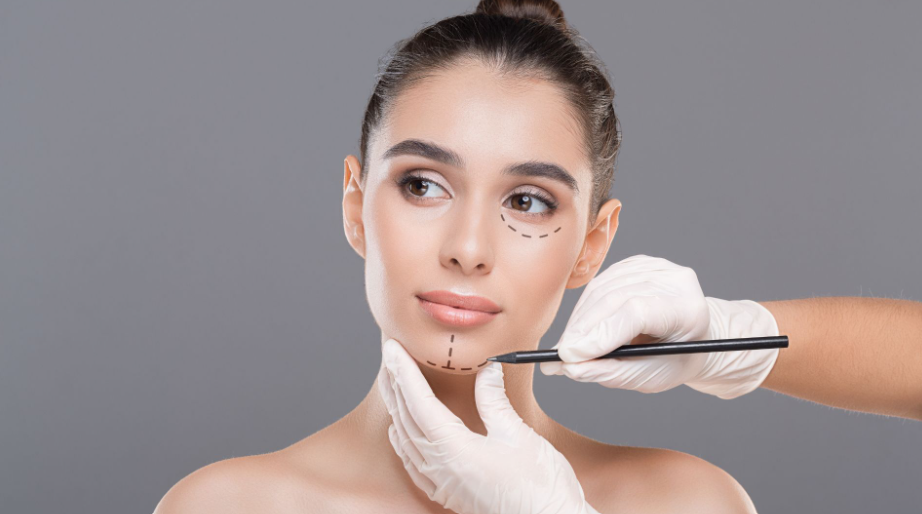
Choosing a cosmetic practice can be exciting. Then, five websites in, everything starts to sound the same: natural-looking results, quick recovery, personalized care. Lovely promises, right? But this is your body, your money, and your peace of mind. Rushing can lead to surprise costs, weak follow-up, or results that simply do not fit what you wanted. “Most consumers seriously consider just 2‑3 providers before making their choice.” This guide will help you compare cosmetic practices with a clear head, so you can weigh safety, skill, communication, and value before booking anything.
Key Factors for a Smarter Cosmetic Surgery Comparison
Good research is not overthinking. It is protection. When you compare providers, the details behind the pretty photos matter just as much as the photos themselves. So, before you fall in love with a gallery or a friendly social media page, look at the basics that make a cosmetic surgery comparison meaningful.
Accreditation, Credentials, and Safety Standards
Philadelphia has a long medical reputation, respected hospital systems, and patients who tend to ask smart questions. That is a good thing. In cosmetic care, polished marketing should never replace proof of training, safety, and accountability.
When you review credentials, an established plastic surgeon Philadelphia provider may reflect deeper surgical training and stricter professional standards than someone relying on broad cosmetic titles alone. Check board certification, accredited surgical facilities, hospital privileges, and written safety protocols before you move forward.
Specialist Experience and Procedure Volume
Credentials tell you someone is qualified. Experience tells you how often they work with cases like yours. A surgeon who performs your specific procedure regularly is more likely to understand the small decisions that shape a good outcome.
Ask a direct question: how many times have you performed this procedure in the past year? It may feel blunt, but it is fair.
When browsing before-and-after galleries, one of the most useful best cosmetic clinic tips is to look for people with features close to yours. A beautiful result on someone else may not predict your result. Relevant photos are far more helpful than flawless ones.
Technology, Techniques, and Facility Innovation
Skill matters most, of course. Still, modern tools can improve planning, precision, comfort, and recovery when used appropriately. Look for practices that offer 3D imaging, digital planning, laser-assisted technology, or scar-minimizing methods when those tools fit the procedure.
A skilled plastic surgeon Philadelphia may use digital imaging software to help you preview possible outcomes before making a decision. It is not a crystal ball, and no ethical surgeon should pretend it is. But it can make the conversation more concrete.
Next, pay close attention to whether the practice treats you like an individual, not a package.
Personalizing Your Visit Without Pressure
Technology and credentials are important, but the consultation often tells you the most. Does the team listen? Do they explain? Do they slow down enough for you to think? A strong practice will never make you feel cornered.
Transparent Consultations and Custom Care
A good consultation should feel like a thoughtful conversation, not a sales presentation. The surgeon should ask about your goals, health history, lifestyle, support at home, and what a successful result would mean to you.
If you are wondering how to select cosmetic practice options without getting overwhelmed, watch how the plan is built. Does it change based on your anatomy, concerns, and recovery needs? Or does every patient seem to get the same recommendation? That difference matters.
Patient-Centered Care and Aftercare
A custom plan starts the process. Aftercare protects it. Ask who handles your follow-up visits, how questions are managed after surgery, and what happens if a complication comes up.
Whether you are comparing a solo office, a group practice, or a larger cosmetic center, an experienced plastic surgeon Philadelphia should clearly explain recovery milestones, warning signs, and follow-up steps. You should not be left wondering what is normal at 10 p.m. on a Tuesday.
Reviews, Stories, and Communication
Aftercare shows commitment. Reviews show patterns. Read Google reviews, testimonials, and patient stories with a calm eye. Do not obsess over one glowing comment or one unhappy one. Look for repeated themes.
Cost Transparency, Safety, and Real Value
Reviews can help you understand the patient experience. Pricing helps you understand what you are actually agreeing to. A low quote can look appealing, but if it leaves out key costs, it may not be low for long.
All-Inclusive Pricing vs. Hidden Fees
A complete quote should include surgeon fees, anesthesia, facility charges, garments, prescriptions when applicable, and follow-up visits. If pricing is vague or only discussed verbally, pause.
A careful cosmetic surgery comparison looks at value, not just price. Cheap surgery can become expensive if revision work, travel, poor aftercare, or missed recovery details enter the picture.
Financing and Accessibility
Once you understand the total cost, ask what payment options are available. Financing partners, payment plans, cancellation policies, and scheduling flexibility can all affect your decision.
“Less than a quarter (22 percent) of U.S. adults say they used a [patient‑centered clinical decision support] PC CDS tool within the past six months.” That is why a simple checklist can be surprisingly helpful. Memory gets fuzzy when you are excited or nervous. Paper does not.
Safety Protocols and Track Record
Cost affects convenience. Safety affects everything. Ask about infection control, emergency preparedness, complication rates, malpractice history, and who provides anesthesia.
Be thorough when you are choosing cosmetic surgeon credentials. Ask direct questions, especially when meeting with a plastic surgeon Philadelphia for a procedure that matters to you. A trustworthy provider will not be offended by reasonable safety questions.
Now, use modern tools wisely before making your final choice.
Tools and Final Checks Before You Commit
Knowing what to expect can settle your nerves. Digital tools can help you narrow choices before you visit an office. Just remember: online research should support your judgment, not replace it.
Virtual Consultations and Digital Platforms
Virtual consultations are useful when comparing several practices. Use them to ask about candidacy, recovery, general pricing ranges, and whether your goals sound realistic.
Review sites, comparison platforms, and virtual tours can save time. Still, surgical decisions often require an in-person exam. Photos and video calls cannot show everything.
Medical Tourism Precautions
Out-of-area clinics may advertise lower prices, but distance can create real problems. Follow-up care, emergency access, revision policies, and legal protections may be harder to manage once you return home.
If you plan to travel, request proof of credentials, facility accreditation, and a written aftercare plan. Do not make a surgical decision based on vacation-style marketing. A beach photo is not a safety protocol.
Red Flags and Final Consultation
Once you know what quality care looks like, warning signs are easier to spot. Be cautious with rushed consultations, guaranteed results, unclear anesthesia plans, missing credentials, or heavy discount pressure.
Bring your medical history, medication list, inspiration photos, and written questions to the final visit. A good consultation should leave you informed, steady, and respected.
Before you schedule, review your notes and compare cosmetic practices one last time. Focus on safety, fit, communication, and proven results.
Common Questions About Comparing Cosmetic Practices
What is a positive predictor of patient satisfaction with cosmetic outcomes?
Patient motivation and psychosocial factors further influence treatment success. Patients with realistic expectations and positive mental health tend to report higher satisfaction with results, especially when the surgeon clearly explains limits, recovery, and likely outcomes before treatment.
How do you decide if you should get plastic surgery?
Consider your expectations, time, expense, risks, physical changes, emotional readiness, and recovery support. The best candidates usually have realistic goals, stable health, and a clear reason for surgery that is not based on outside pressure.
Can I switch cosmetic surgeons after my first consultation if I feel unsure?
Yes. A consultation does not lock you in. If something feels rushed, unclear, or uncomfortable, get another opinion. The right clinic will respect your need to think, compare, and choose with confidence. Take your time. A confident decision is always worth the extra step.