
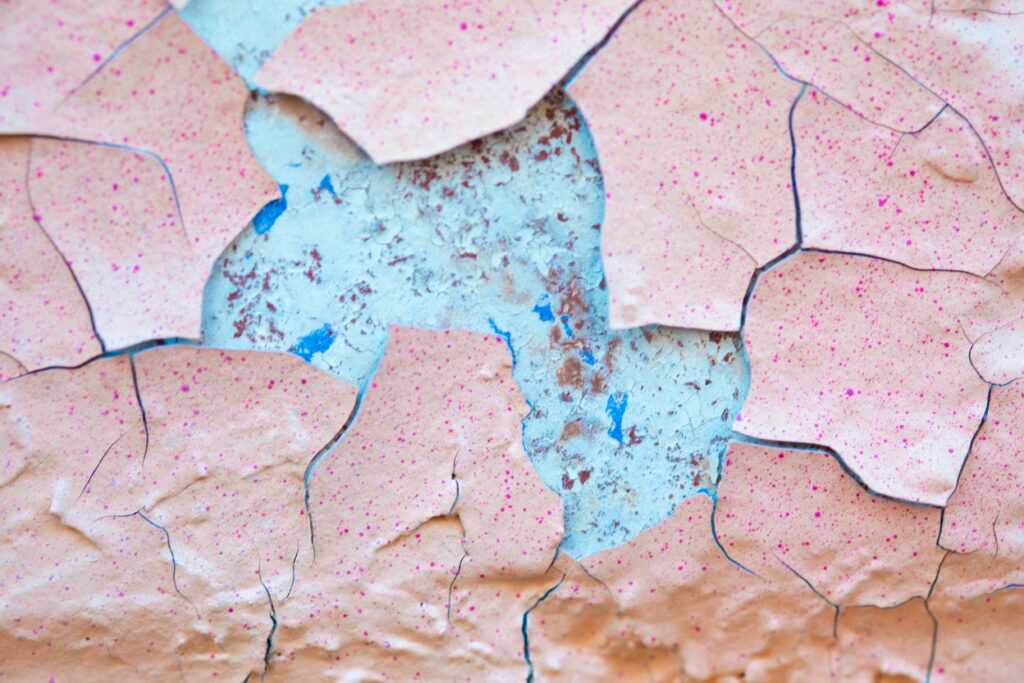
Sensitive skin rarely stays quiet for long. Sometimes it reacts through redness or dryness, while other times the irritation appears as burning, tightness, rough texture, or breakouts that seem to arrive without warning. Many people respond by adding even more products in an attempt to calm things down, only to discover that the skin becomes increasingly reactive the more complicated the routine gets.
That cycle has helped reshape modern skincare conversations around one central idea: healthy skin depends heavily on barrier stability. Instead of focusing only on exfoliation or correction, more consumers now pay attention to hydration, inflammation, and how products interact with the skin over time rather than immediately after application.
This article will explore why the skin barrier matters so much for sensitive complexions, how overcomplicated routines can quietly damage it, and why simpler skincare systems are becoming increasingly popular among people dealing with irritation and chronic sensitivity.
Why the Skin Barrier Controls So Much
The skin barrier acts as the body’s outer protective layer, helping retain moisture while defending against irritants, pollution, allergens, and environmental stress. Once compromised, the skin often becomes noticeably more reactive because water escapes more easily while external irritants penetrate more deeply.
That broader understanding has shifted how many brands formulate products for sensitive skin. Discussions surrounding this article on the best anti-ageing creams focus on barrier resilience, hydration balance, antioxidant support, and ingredient compatibility rather than relying purely on stronger exfoliation or higher active concentrations.
Healthline’s explanation of skin barrier health also highlights how barrier damage can contribute to dryness, inflammation, sensitivity, and texture changes that persist even when using expensive skincare products.
The idea is not necessarily to do more for the skin. Often, it is about interrupting the cycle of constant irritation long enough for the skin to stabilize itself again.
Sensitive Skin Often Suffers From Too Much Intervention
One of the most common misconceptions in skincare is that irritation automatically means the skin needs stronger treatment. In reality, many sensitive complexions become overwhelmed precisely because too many active ingredients are being introduced at once.
Acids, retinoids, exfoliants, scrubs, and highly fragranced products can all disrupt barrier function when layered excessively or used without enough recovery time. The result is skin that feels permanently reactive regardless of how many new products enter the routine.
That has contributed to the growing popularity of “skin minimalism,” where consumers reduce unnecessary steps and focus on products with broader supportive functions instead of highly aggressive correction.
Why Hydration and Barrier Support Work Together
Hydration matters for more than temporary softness. Well-hydrated skin generally becomes more resilient because moisture helps maintain flexibility and barrier integrity across the surface of the skin.
Several ingredients now appear repeatedly in routines focused on barrier repair:
- Ceramides that reinforce the skin barrier
- Peptides that support skin structure
- Antioxidants that reduce environmental stress
- Botanical oils that help maintain moisture balance
- Gentle cleansers that avoid stripping natural oils
- Lightweight hydrants that reduce water loss
Those ingredients are often more effective for sensitive skin when introduced consistently and gradually rather than layered aggressively all at once.
The beauty industry itself has also shifted toward more ingredient-conscious conversations. Articles discussing the truth about preservatives increasingly reflect how consumers now examine formulations more carefully instead of reacting only to marketing language or packaging trends.
Simpler Routines Tend to Be Easier to Maintain
Many people dealing with sensitive skin eventually discover that consistency matters more than complexity. Elaborate routines often become difficult to maintain because the skin itself keeps changing in response to irritation, weather, stress, or overuse of active ingredients.
Simpler routines generally create fewer variables, making it easier to understand which products genuinely support the skin and which ones contribute to inflammation.
That shift has also influenced the way affordability is discussed within skincare. Features exploring organic beauty on a budget increasingly emphasize thoughtful ingredient selection and long-term routine stability rather than endless product accumulation.
Consumers are becoming more skeptical of routines that require constant purchasing to maintain results. Sensitive skin especially tends to respond better when the routine stays predictable enough for the barrier to recover properly.
Over-Exfoliation Has Become a Major Problem
One of the quieter trends within modern skincare is how normalized over-exfoliation has become. Many consumers now use multiple acids, resurfacing products, scrubs, or retinoids simultaneously without realizing how easily the skin barrier can become overstressed.
The damage does not always appear immediately. Sometimes the skin initially looks smoother or brighter before irritation gradually develops through redness, dehydration, sensitivity, or persistent breakouts.
Barrier-focused skincare routines aim to reduce that cycle by prioritizing recovery alongside correction. Instead of constantly pushing the skin toward visible transformation, the goal becomes maintaining enough stability for healthy skin function to continue long-term.
Healthy Skin Usually Looks Calm Before It Looks Perfect
One reason barrier repair has become such an important skincare conversation is that many people are starting to recognize the difference between temporarily stimulated skin and genuinely healthy skin.
Healthy skin generally looks calmer, more balanced, and more resilient over time. It tolerates environmental changes better, reacts less dramatically to products, and maintains hydration more consistently without requiring constant intervention.
That perspective changes the goal of skincare entirely. Instead of chasing immediate perfection, more routines now focus on creating conditions where the skin can function properly without remaining trapped in a cycle of irritation and recovery.
For sensitive complexions especially, less often becomes more not because skincare stops working, but because the skin finally has enough stability to start repairing itself again.